The ‘brand’ new ‘fashionable’ Indian
VIVEK SAHNI
WHEN I was growing up there was no television to speak of, imported magazines were a rarity, and my exposure to western fashion was from the few English movies that came to India. As a good sahib, I did not see Hindi movies. Fashion and style, to me, were a series of Indian ladies, whose dressing styles reflected themselves and, as it seemed to me then, the world of glamour.
There were the cultural ladies. Austere and severely stylish, they seemed to manifest all that was wonderful and refined about India. The perfect saree, jewels that were spare but beautiful, always unusual and unexpected pieces, chosen and edited with great care, exuding a fine sensibility that had come to be during those early years when India became independent. They were not the slightly disheveled, leftist jholawalis. They were high style India, and that ‘style’ has almost vanished today.
Then there were the more modern ladies from Calcutta and Bombay, as well as a few trendy Punjabi ones. Calcutta and Bombay, both being ports, had a more cosmopolitan crowd than Delhi which seemed to be a sleepy village. The social crowd in those cities was an eclectic mix of boxwallahs, the royals, the Parsees and the expats. They had the races, the clubs and lots of wild parties. Everyone seemed to be very glamorous; the saree blouses were backless, some had only one sleeve! The shoes, bags and eyeshadow all matched. All very daring and adventurous. The royals, paticularly Ayesha Jaipur and her mother, Ma Cooch Behar, were the ‘fashion’ leaders of this set. Chiffon sarees with wide brocade borders, the strings of pearls, were copied widely.
The ‘high style’ ladies were, for the most part, huge snobs, prized their rare and unusual sarees and shawls, commissioned special textiles from master weavers, worked with master craftsmen to create wonderful objects. They were very proud to be part of the building blocks of this new India. They looked down on the sexy saree crew of Calcutta and Bombay as a bunch of philistines. What they had in common was a wonderful sense of colour, the traditional and the more contemporary, and were not afraid of the vivid hues and contrasts.
When I starting going to college, the trauma of what to wear started. Fashion became an issue .. There were no jeans to buy, which were our prized possession, bought by relatives living abroad on their annual trips to India. So a lot of my friends made their own clothes. Or rather, their tailors did. Inventive, racy, boring, bizarre or just plain hideous, these had a certain character, special style.
|
|
|
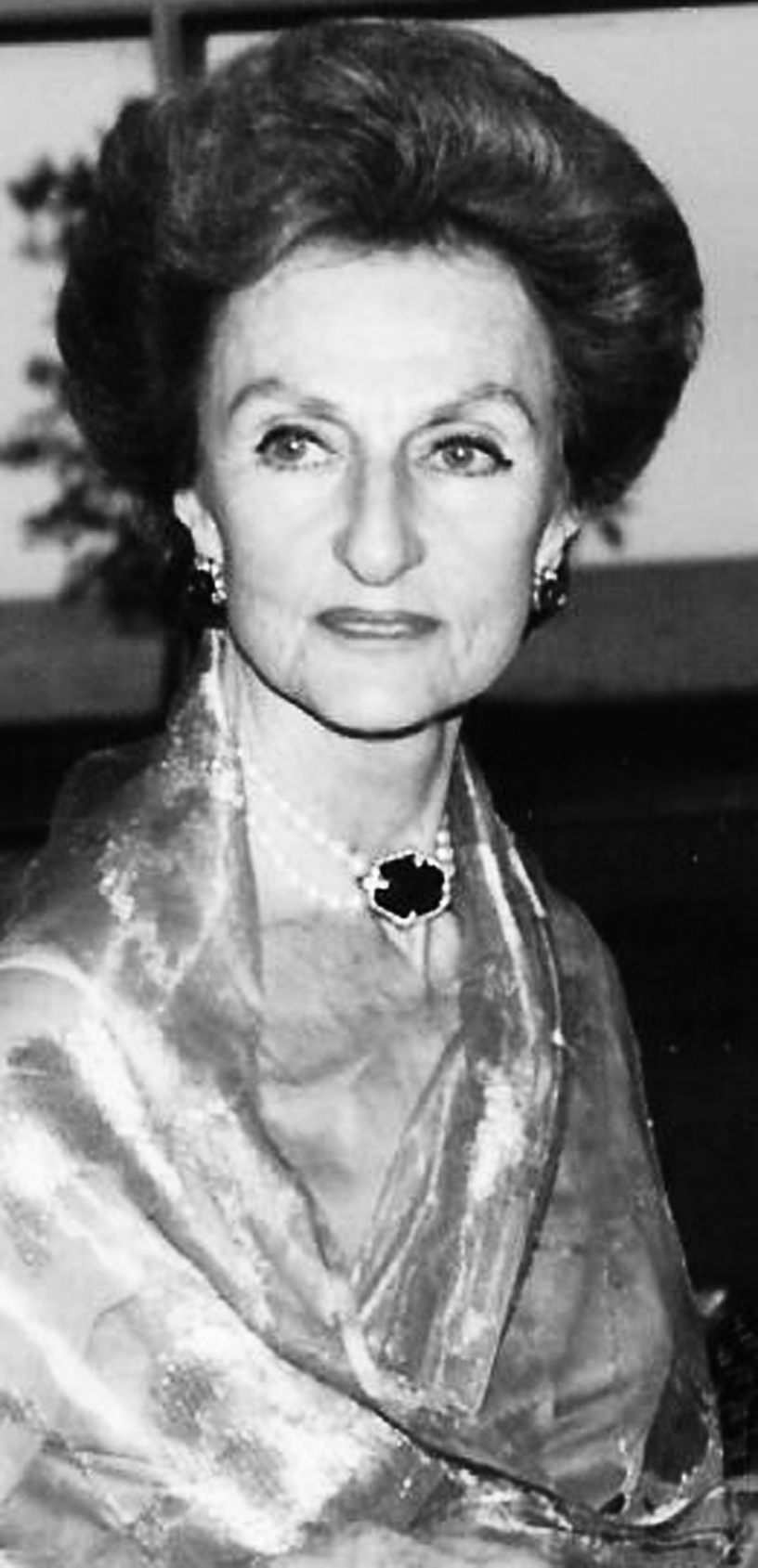
The Princess of Berar, in a gold tissue saree. |
Rohit Bal would wear green trousers, a yellow belt made of dyed canvas, an orange shirt, bata canvas sneakers dyed green, with a leather brown leather toe caps made by the local ‘mochi’, and take a DTC bus to St Stephens college. We had little money, so were inventive, and had a lot of fun with what we wore. The first really stylish person of my generation that I got to know was the designer Neera Nath. I first remember seeing her at Delhi University. She had been studying fashion in Paris, and was back on holiday. High Jodhpurs, slim fitted white shirt, scarf around the hair, ropes of chains around the neck, she was a vision. I was mesmerized. She had an air about her, and seemed so ‘glossy’ that I felt like a peasant. That’s when I first realized that there existed ‘style’ other than what I had been exposed to..
I
had a few of my own really bad attempts at fashion: wearing Kullu husk slippers, palazzo pants and tramping around the university, with no feet left at the end of the day. So for the most part I raided my father’s cupboard and wore what I could: cummerbunds with jeans, suspenders, ties as belts, the works. The wonderful thing was that as there was nothing available to aspire towards, it was all alright. Even my wealthy friends, who had large houses and fancy stereo systems, wore pretty much the same clothes. They were admired for the style, the cut or the fit or the textile they were made from. In our happy world, ‘labels’ did not exist.The arrival of the ‘fashion designer’ changed all that very quickly and quite radically. While there were some wonderful fashion designers in India, a large number of them had limited exposure, and therefore, their sensibility about colour, pattern and shape was not so refined. All those fashionable ladies were soon being led like lambs to the slaughter. Every housewife with a garage wanted to become a couturier.. Gone were the colours which were amazing against the tone of the Indian skin, and instead beige became the colour of choice, along with a sick plummy red, and a strange yellow. Salwar kameezes sprouted everywhere and became the dress of choice, in every possible variation. I remember hearing a story years ago from one of the high style ladies I mentioned earlier. Pierre Cardin was in India at the invitation of the government. There was a dinner for him one evening, and on being invited she said, ‘It’s all very well for them to promote our textiles, but I draw the line at having dinner with foreign tailors!’ So, from such snobbery, where ‘this’ kind of lady felt she knew her place in the world, had her own sense of style and did not need to be told what to wear, the fashion designer has become the ‘icon’ to be most admired.
Then on the heels of the advent of the fashion designer came the liberalization of the economy, cable television and the internet, an information and economic explosion, which resulted in the brand new fashionable Indian!
|
|
|
|
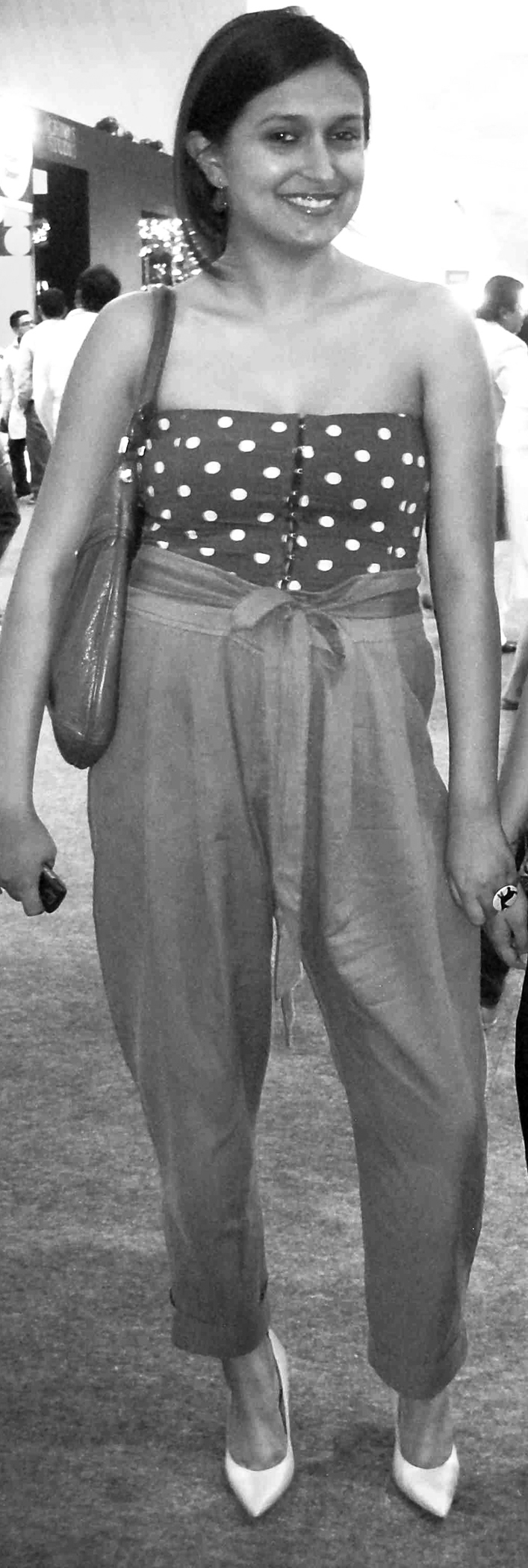
Rita Devi at the races (left), Calcutta mid-1970s; Girl at a conference (right). |
|
What are the fashion inspirations for this brand new fashionable Indian, with a disposable income, or at least a credit card? While there is a wide choice, Bollywood is number one in terms of inspiration. There are the Bollywood actresses in frocks and tight clothes, influenced by their western counterparts. The actors buff and built, are in tight clothes as well. This obsession with tight clothes is scary, as some of them end up looking like things for rent! Then there are the cricketers, who are fair game for much publicized ‘cool dude’ makeovers. Dhoni’s haircut made front page news. And not to forget the Bombay and now, Delhi socialites, who are blonder, glossier and even more expensively clad than the actors.
T
ogether, they advertise every possible brand of food, drink, beauty product and fairness potion. They attend art openings, premiers, parties and have their affairs, all in full public glare. Their clothes, hairstyles and ‘looks’ filter, in varying degrees, across the country, with equally varying degrees of success.With such ‘stars’ in their eyes, the new ‘fashionista’ want to at least feel like one, if not be one! Looking good to feel good has created a huge industry of makeup artists, hairdressers, personal trainers, gym instructors and cosmetic consultants. Wherever you get a hair cut – on the street, or in a fancy salon – the barbers know all the hairstyles ’in fashion’. Even the young electrician or plumber, is in tight clothes, sporting a cool haircut. They too are now part of this new fashionable India.
To complete this ‘new look’ is where ‘fashion’ comes in. Depending on the person’s income, the clothes they buy move from export surplus street wear, to Indian branded western wear and then to international high street brands, to Indian fashion designer wear, to ultimately, the holy grail, the big international luxury brands!
T
he younger crowd wear fashion street stuff, or branded clothes depending on their income, and manage to look like their counterparts in the West, because that is what they aspire to. Only a few, the truly fashion obsessed, still make their own clothes with their trusted darzi – adjust, nip, tuck – so that the clothes reflect them and not the other way around.All modern young ladies, and some even older women, now wear frocks. The salwar kameez has gone out of the window. It is trousers to work, and frocks to go out. Recently at a dinner, in a relatively small town in South India, I was surprised to see a large number of the younger women wearing frocks. This frock affliction, or rather, affectation, can be a bit of a disaster because most Indian women have a long torso, wide hips, and short legs. While this body form is divine in a saree, it is just suicidal in a cocktail dress.
At the upper end of the social strata, the people who travel and have plenty of disposable income, are now a part of the new globalized fashion phenomenon. The ‘current’ bag, dress, shoe and hairpin becomes a must have! It is a symbol of a new status. There are endless magazines, selling the ‘it’ fifteen lac watch or the two lac thigh high boots for ‘winter’ in Bombay! This group, now largely blonde, is the most experimental with their ‘looks’, often blindly and without thought.
W
eddings are where all this new fashion amalgamates. The wedding market sustains most fashion designers and many businesses in this country. It is a time when Indians shut their eyes and open their wallets. It is the one big expenditure that they save for, starting to fill the kitty as soon as a child is born. Bridal outfits are among the most copied. The designer makes one, which is copied by a fancy store, copied by the high street store and is then duplicated in Old Delhi, by which time it could be anything. It is full on India, albeit now, Bollywood India! Sequins, crystals, zardozi, badla, brocades, velvets, you name it, it is all there. Where earlier the groom wore a plain silk or maybe brocade bandgala or sherwani, he is now decked out in full swarovski crystals, almost overshadowing the bride. The poor bride can barely walk, because her outfit is so covered in embroidery that it weighs a ton. You can hardly see the jewels, no matter how large, as they are overshadowed by this masterpiece of Indian fashion design!
|
|
|
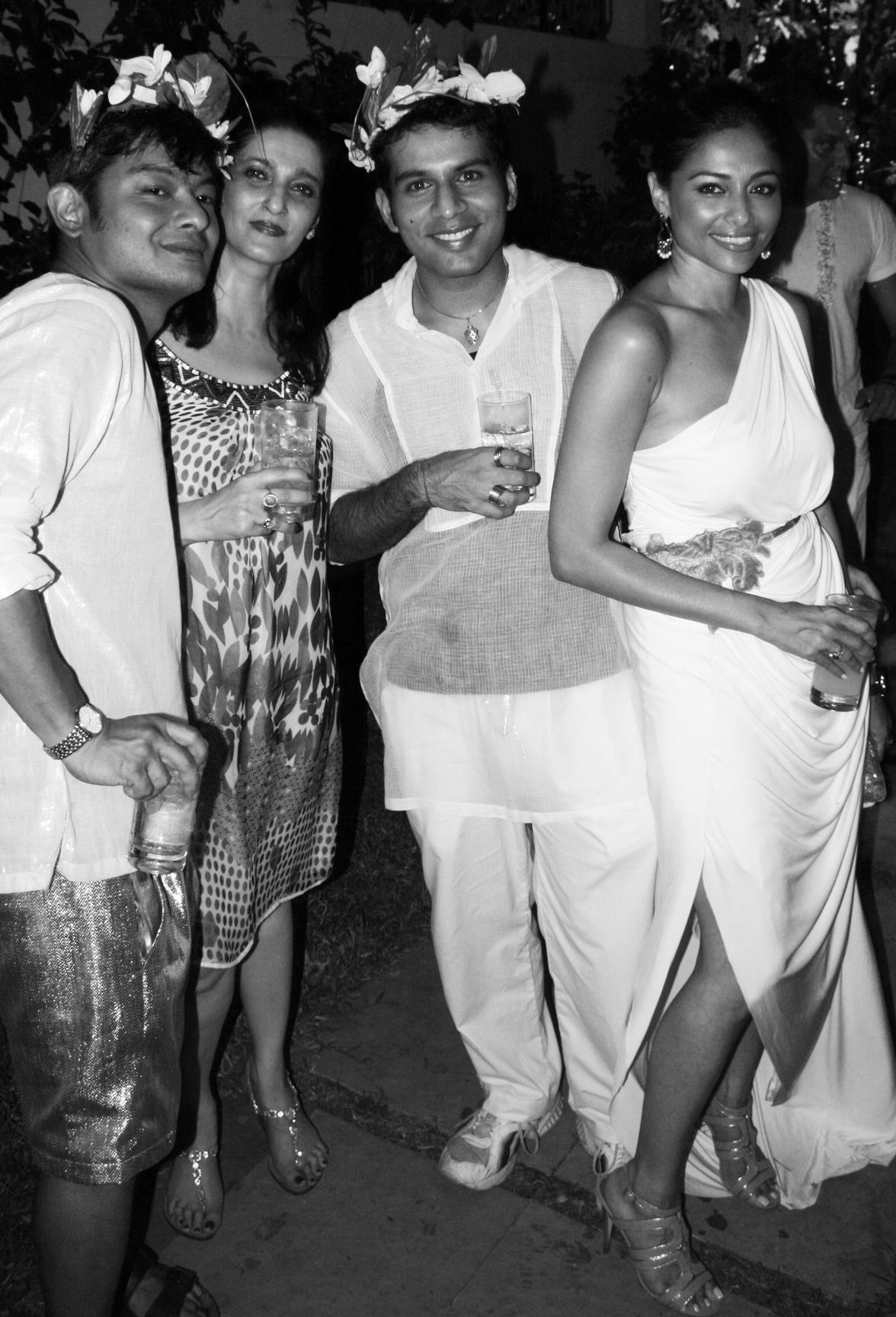
Goa dinner, 2009. |
From having been isolated in the fashion hinterland, we are now fashion obsessed. There are now ‘fashion weeks‘ in every major Indian city, and soon the smaller cities will have them too. Fashion shows are now a part of our landscape at weddings, product launches and even at the IPL.
T
he Brand New Fashionable Indian today is a confused one. Our minds have not progressed as fast as our clothes (scratch the surface and a lot of the frock clad ladies and the cool dudes turn out to be pretty medieval). We have western, Indian, fusion, ethnic, bridal and then designer ensembles from which to choose. We wear western clothes to appear modern and fashionable (whether we like them or not or look good in them or not). At weddings and other ceremonies we wear traditional clothes (now with a twist). For the majority, clothes are worn without any sense or idea of style.The key issue here is style. The new ‘buyer’ of fashion has not had enough exposure to understand the nuances of style. This of course will change quite quickly, because as with everything else, we are quick learners. Till then, faced with a plethora of choice, we certainly seem to be a very confident generation, wearing a bit of this and that and everything in between, with little real idea of the visual effect created. So to summarize, we are fashion conscious, yes; stylish, not quite yet.